 Tap Road Game
Tap Road
Tap Road – Master the Neon Track and Survive Every Obstacle
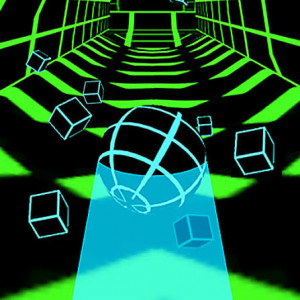
Tap Road is a fast-paced arcade reflex game where a rolling ball races along a glowing 3D track filled with dangerous obstacles. The challenge revolves around one essential decision: choosing the right lane at the right moment. Every successful switch keeps the ball moving forward, while a poorly timed move can bring the run to an immediate end.
The game combines automatic forward movement, two-lane navigation, and increasingly demanding obstacle avoidance. Its colorful neon environments and winding tracks create a distinctive visual experience, but success depends on concentration rather than complicated controls. The longer the ball survives, the more important it becomes to anticipate danger instead of reacting at the last second.
How to Play Tap Road
The ball moves forward automatically along two parallel lanes. Your main responsibility is to guide it away from obstacles by switching between those lanes. Instead of controlling the ball's speed or steering freely across the track, you must decide when changing its position will create a safer path forward.
The core gameplay follows a continuous sequence of actions:
- Follow the ball as it travels automatically along the neon road.
- Watch both lanes to identify approaching obstacles.
- Use the lane-switch control to move away from dangerous positions.
- Anticipate the next obstacle before committing to another switch.
- Keep surviving to reach higher progress and score milestones.
The controls are simple in concept, but their timing matters. Switching too late risks hitting an obstacle, while changing lanes unnecessarily can place the ball directly in the path of another hazard. Effective control comes from recognizing when to move and, just as importantly, when to stay in the current lane.
The Two-Lane Mechanic: Why Every Switch Matters
Unlike ball games that allow unrestricted movement across wide platforms, Tap Road concentrates its challenge into two possible routes. This limited choice makes individual decisions more significant because each lane may contain a different arrangement of obstacles.
The safest route is not necessarily the lane that looks clear at the current moment. A lane may offer immediate protection from one obstacle but lead directly toward another. For that reason, successful navigation requires looking beyond the nearest hazard and considering what comes next.
Choosing the Right Moment to Change Lanes
Good timing begins before an obstacle reaches the ball. As a hazard approaches, check whether the opposite lane provides enough clear space to continue moving safely. Make the switch when the alternative path is appropriate rather than waiting until the obstruction fills most of the screen.
Repeatedly changing lanes without a clear reason is another common mistake. Unnecessary movement creates additional opportunities to enter a dangerous position. Staying in one lane can be the better decision when its path remains unobstructed.
Planning Beyond a Single Obstacle
Some situations demand more than an immediate left-or-right decision. An obstacle may require the ball to switch lanes, while the following hazard makes that new position unsafe.
To handle these sequences, read the visible track as a series of connected decisions. First identify the nearest obstacle, then examine the next section of road before making a move. This approach reduces rushed corrections and makes lane changes more deliberate.
Obstacles, Sharp Turns, and the Neon Road
The track contains geometric hazards positioned along the ball's route. These objects interrupt otherwise open sections of road and force decisions about which lane remains safe.
A major part of the challenge is distinguishing actual obstacles from the surrounding visual design. Tap Road features glowing edges, colorful structures, and decorative geometric elements. Not everything illuminated beside the track represents an immediate collision threat. Learning to focus on objects that occupy the ball's path helps avoid unnecessary reactions.
How Curved Tracks Affect Visibility
Tap Road is not limited to straight stretches of road. The glowing lanes bend, twist, and change direction through a dark 3D environment. These curves change the perspective of approaching obstacles, making some sections harder to interpret than others.
When the track curves, concentrate on the continuation of the two lanes rather than the surrounding visual effects. The ball follows the road automatically, so the important task remains identifying which lane offers a safe route through the upcoming hazards.
This distinction is particularly useful during more complex bends. A change in the road's appearance does not necessarily require an additional lane switch. Moving only when an obstacle makes it necessary helps maintain a controlled rhythm.
Changing Colors and Visual Environments
The track features striking neon colors, including blue, green, purple, yellow, and red tones. Combined with the dark background, these effects make the moving ball and road boundaries visually prominent.
Color transitions create variety during extended runs, while the winding track changes how the road appears ahead. These visual changes contribute to the game's atmosphere without altering the fundamental objective of avoiding obstacles.
Score Milestones and the Challenge of Longer Runs
Tap Road rewards sustained survival through visible progress markers and performance feedback. Numbered milestones appear during gameplay, and achievement messages such as "above average!" and "today's best!" provide additional indications of progress.
Rather than completing a series of conventional objectives, the main challenge is maintaining a successful run through repeated obstacle encounters. Each additional stretch of road creates more opportunities for a timing mistake.
Longer runs become mentally demanding because concentration must be maintained across many individual decisions. A single correct switch is relatively simple; consistently choosing safe lanes through a continuing sequence of obstacles requires greater awareness and control.
Improving a Tap Road high score therefore involves more than reacting quickly. It depends on developing a reliable approach to reading the road, limiting unnecessary movement, and recovering focus after difficult obstacle sequences.
Tap Road Tips to Survive Longer and Improve Your Score
Because the controls are minimal, improvement comes primarily from stronger observation, better anticipation, and more consistent timing. The following strategies address the situations that commonly disrupt a successful run.
Look Ahead Instead of Watching Only the Ball
Keeping your attention fixed on the ball makes approaching hazards harder to recognize. Focus farther along the road so you can evaluate both lanes before obstacles become urgent. Use the ball's position as a reference while concentrating on the route ahead.
Avoid Switching Lanes Without a Reason
Moving constantly does not make the ball safer. Every lane change should have a purpose, such as avoiding an approaching obstacle or preparing for a hazardous section. If the current route remains clear, staying there may be the safest choice.
Watch for Consecutive Obstacles
Escaping the nearest hazard is only part of the challenge. After identifying a safe lane, check whether another obstacle is positioned farther ahead. Thinking through consecutive hazards helps prevent a successful first move from leading directly into a collision.
Maintain Your Focus Through Sharp Curves
Curved sections can make the road appear more complicated than the actual control system. Follow the two visible lanes and their upcoming obstacles. Avoid reacting to background motion or decorative effects that do not block the ball's route.
Build Consistency Before Chasing Higher Scores
Reliable decisions are more valuable than frantic reactions. Practice recognizing safe lane changes early, then work toward maintaining that judgment through longer stretches of gameplay. Consistency reduces avoidable mistakes and makes higher milestones more achievable.
Learn From the Position of Each Collision
When a run ends, consider whether the failure came from switching too late, moving into an occupied lane, or overlooking a second obstacle. Identifying the cause of a mistake provides a practical adjustment for the next attempt.
Why Tap Road Is More Challenging Than Its Simple Controls Suggest
Tap Road stands out because it creates a demanding reflex challenge with very few movement options. There is no need to manage complex steering combinations during the core obstacle-avoidance loop. Instead, the difficulty comes from continuously interpreting the road and choosing the safest moment to change lanes.
Its 3D perspective adds another layer to this simple system. Straight sections allow approaching hazards to be read more directly, while winding stretches require closer attention to the shape and direction of the track. The changing neon colors add visual variety, but the essential challenge remains precise lane selection.
The game shares the reaction-based appeal of arcade titles such as Drift Boss and the moving-ball challenge of Slope Game. However, Tap Road places its emphasis on selecting between two lanes rather than managing a broad range of movement directions.
This combination of limited controls, continuous forward motion, and hazardous track layouts gives every decision immediate importance. A longer run is built through a succession of accurate choices, not through more complicated input combinations.
Keep the Ball Rolling and Push Your Limits
Tap Road turns a straightforward lane-switching mechanic into a test of attention, anticipation, and reaction timing. The glowing track may constantly change its appearance, but the objective stays consistent: keep the ball away from obstacles and extend the run as far as possible.
The most effective approach is to stay focused on the road ahead, evaluate both lanes before moving, and make each switch deliberately. As these habits become more consistent, difficult obstacle sequences become easier to interpret, creating better opportunities to reach new score milestones.




Discussion about: Tap Road
0